
A top-load washer that fills, drains and then refuses to spin is one of the most common DIY repair calls, and the lid lock is usually the culprit. The problem is that “the lid lock has failed” covers at least four different faults, and only one of them needs a new latch. This guide separates them in order, so you replace the $79.99 part instead of the $299.99 control board.
Recommended Parts
Quick Diagnosis
- Washer fills and drains, then stops before the spin → the board never saw “lid locked”.
- You hear a click but no movement → the actuator is powered but the mechanism or switch has failed.
- Lid physically will not close or latch → alignment or a broken strike, not electronics.
- Lock stays engaged and the lid will not open after the cycle → the release side of the lock or the board.
- Washer never fills at all → not the lid lock; check the water supply and inlet valve.
Tools and Safety
- Unplug the washer. The lid lock sits behind the console or under the top panel, close to live wiring.
- Phillips screwdriver, putty knife for the console clips, and a multimeter.
- Phone camera — photograph the harness before removing the lock.
- Do not bypass the lid lock to force a spin. It exists to stop the drum while the lid is open.
Step 1: Pin Down the Symptom
The three components people confuse are the lid lock, the lid switch and the door strike. They produce different symptoms, and only one of them is the part you might need to buy:
| What you observe | Which part is involved | Action |
|---|---|---|
| Lid closes fine, lock clicks, no spin | Lid lock actuator or its internal switch | Step 3 and Step 4 |
| Lid will not close or latch at all | Lid strike, hinge or alignment | Step 2 |
| No click at all when the cycle should lock | No power reaching the lock — harness or control board | Step 5 |
| Lock stays engaged after the cycle ends | Lock release mechanism or board | Step 4, then Step 5 |
| Washer stops with a flashing lid indicator | Board is reporting it never saw “locked” | Step 3 first |
Step 2: Check Alignment and the Strike
- Look at the lid strike (the tab that enters the lock). A bent, chipped or worn strike will not trip the lock. Compare it with the lock opening — if they do not line up, the lid or hinge has shifted.
- Check the lid for play. Lift the lid and check the hinges for cracks. A lid that sags will misalign the strike even if the strike itself is fine.
- Close the lid and press down. If the lock engages only when you press firmly, the strike is not reaching the actuator and alignment is the whole problem — no parts needed.
Step 3: Test the Lid Switch
- Unplug the washer and gain access to the lock assembly behind the console.
- Identify the switch contacts. The lock assembly contains both the actuator and a switch that reports status to the board. On most top-loaders they share one connector block.
- Check continuity across the switch while manually moving the mechanism to the locked position. No continuity when locked means the internal switch has failed, and the assembly needs replacing even if the actuator still moves.
Step 4: Test the Lock Actuator
- Reconnect power and start a cycle with the lid closed. Watch and listen: a working actuator moves the locking bar visibly.
- Measure voltage at the lock connector at the moment the board commands the lock. Insulated probes only, and keep hands clear of the drum.
- Voltage present but no movement → the lock assembly has failed. Replace it.
- No voltage at the connector → the fault is upstream. Go to Step 5 before ordering anything.
Step 5: Only Now Suspect the Harness or Board
- Inspect the harness from the lock to the control board for a broken wire, a pin pushed out of the connector, or rodent damage. A broken wire produces exactly the same symptom as a dead board.
- Confirm the board drives other outputs. If the washer fills, drains and runs the motor in other modes, the board is largely functional and the fault is far more likely to be the lock or its wiring.
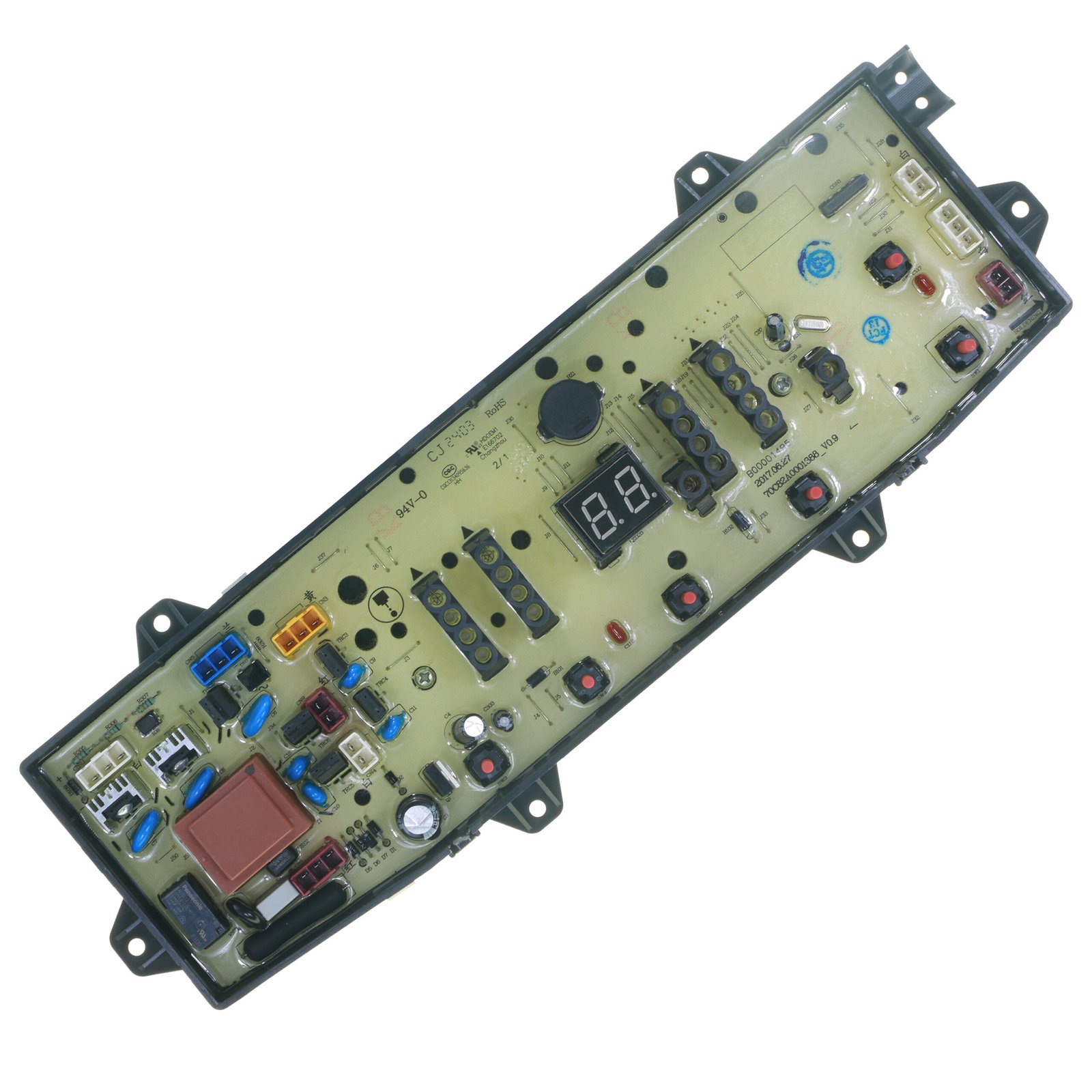
- Replace the board only when it is genuinely silent. A board that sends no voltage to the lock while every other output works is possible but uncommon — and it is the most expensive guess in this repair.
Step 6: Replacing the Lid Lock
- Unplug the washer and remove the console screws or clips to expose the lock assembly.
- Photograph the connector, then unplug the harness.
- Remove the mounting screws and lift the lock out. Note how the locking bar sits relative to the lid strike.
- Fit the new assembly, reconnect the harness, and reinstall the console.
- Restore power and run a short cycle with the lid closed to confirm the lock engages and the spin starts.
Part Numbers and Cross Reference
| Part | Function | Typical Symptom |
|---|---|---|
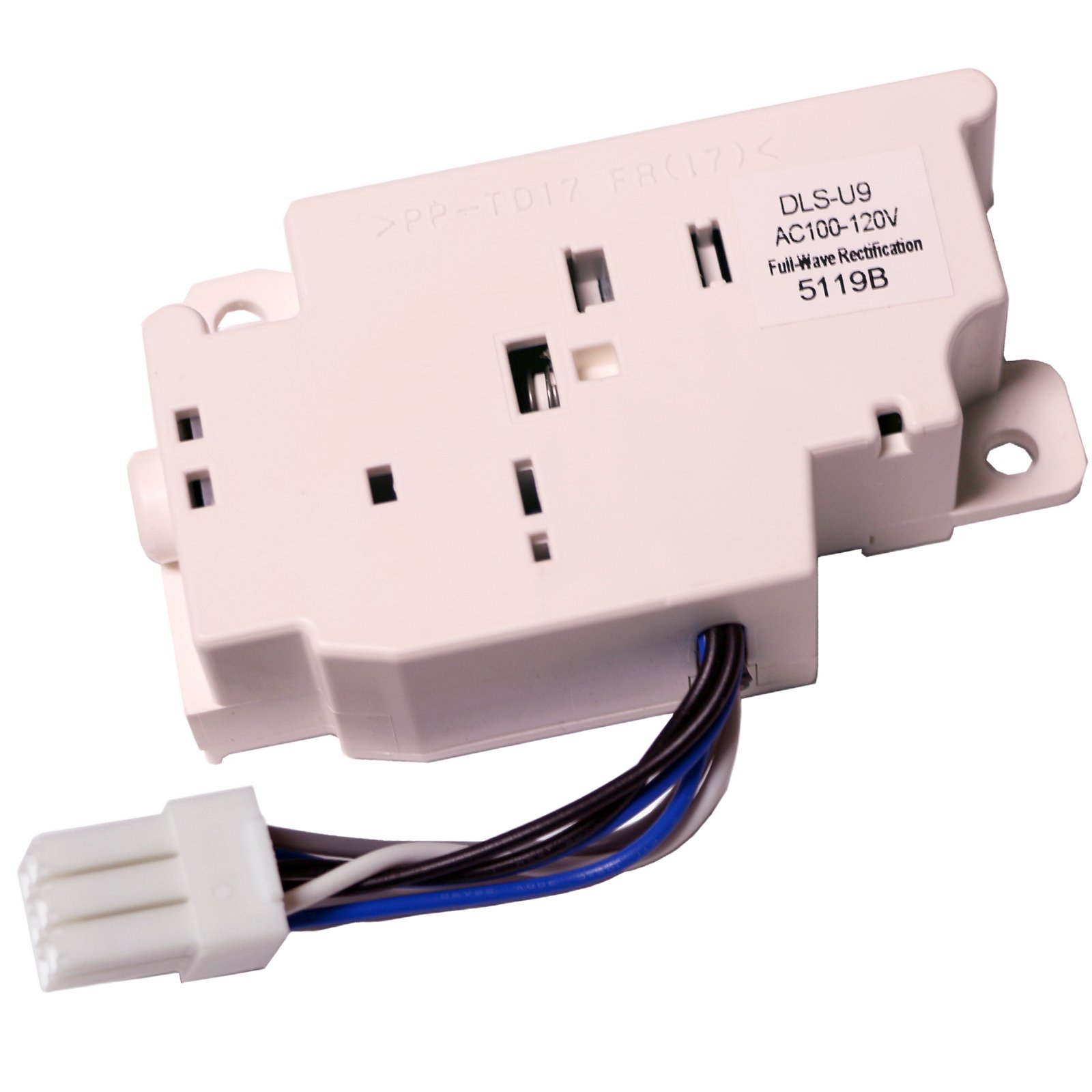
| W11371714 | Washer lid lock latch assembly | Lock clicks, no spin; lid will not latch |
| W11176140 | Laundry centre washer control board | No voltage to the lock, unit dead or unresponsive |
Several retailer cross-reference numbers are listed for this latch. Always confirm against your full model number and compare the connector shape with your original part.
Compatibility
This latch is used across Whirlpool-built top-load platforms, which includes many Kenmore and Amana models. The same cabinet family can use more than one latch revision, so match the model number rather than assuming the latch is universal. Confirm before ordering.
Frequently Asked Questions
Why does my washer lid lock click but the cycle never start?
A click with no spin usually means the actuator moves but the internal switch no longer closes. The control board never receives the “locked” signal, so it refuses to spin. Replacing the lock assembly normally clears it.
How do I tell the lid lock from the lid switch?
They are usually part of the same assembly. The lock physically blocks the lid and reports status; the switch senses whether the lid is down. If the lock moves but the machine will not spin, the switch side of the assembly is the suspect.
What error codes point to a failed lid lock?
Lid faults typically appear as a flashing lid or lock indicator rather than a numeric code. If the washer fills and drains but never spins, the lid lock circuit is the first thing to test.
Can I bypass the lid lock to test the spin cycle?
Do not. Bypassing the lock defeats a safety device designed to keep the drum from spinning with the lid open. Test the circuit with a multimeter instead.
Do I need to replace the control board at the same time?
Usually not. Test the lock and its wiring first. Only replace the board when it supplies no voltage to the lock while all its other outputs work normally.